

Comfort in Paris: How to Find the Right Apartment Without Choosing the Wrong Neighborhood
Defining Comfort in the Paris Rental Market
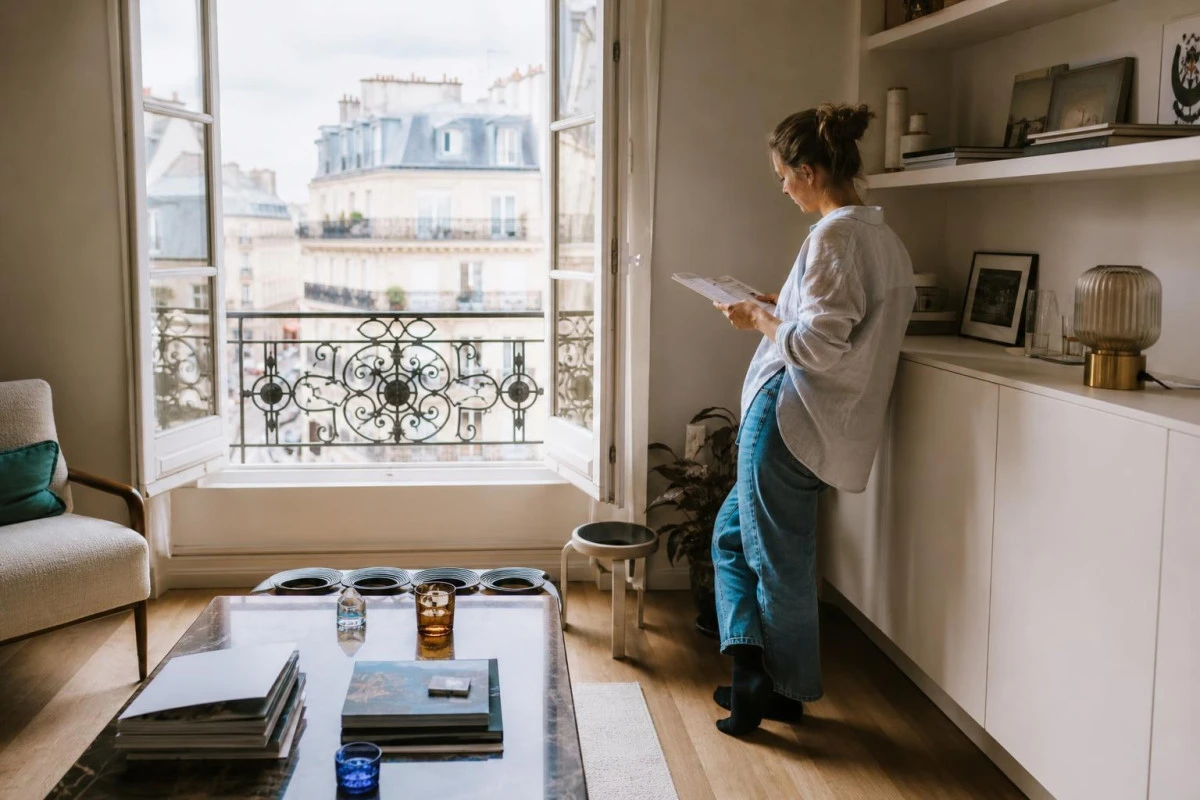
In Paris, comfort means something completely different than it does in Houston or Melbourne. Apartments are almost always smaller, ceilings are often much higher, and the age of the building determines a huge part of your daily quality of life. A "comfortable" Parisian apartment is one where the heating actually works in January, where you can't hear your neighbors' conversations through the walls, and where you don't have to carry your groceries up six flights of stairs. Understanding these specifics before you start your search will save you from signing a lease you'll regret.
The Importance of Modern Heating and Insulation
Most Parisian apartments are located in buildings constructed between the mid-1800s and the early 1900s. Stone walls, single-pane windows, and heating systems that range from efficient to purely decorative. Prioritize listings that mention double-glazed windows (double vitrage) and individual heating, electric or gas, rather than a collective system you can't control. A building that has had a recent renovation, especially with updated insulation, will make winter bearable and prevent your top-floor flat from turning into a sauna in summer. Always ask about the DPE (Diagnostic de Performance Énergétique) energy rating: a rating of F or G means you'll pay a fortune to stay warm and still feel cold.
Elevators in Haussmann Buildings:
The Detail That Catches Everyone Out
Here's a detail that surprises almost everyone:
Many classic Haussmann buildings do have elevators, but they were added decades after the original construction. As a result, they are often tiny, slow, and stop at half-landings rather than directly on your floor. If you're on the 5th or 6th floor, make sure the elevator actually serves your landing. Some stop at the 4th floor, leaving you with two more flights to climb on foot. For anyone with mobility issues, heavy luggage, or small children, this isn't a minor inconvenience. It's a dealbreaker. Always ask for a video of the elevator and the stairwell before committing.
Soundproofing and Courtyard-Facing Apartments
Paris is loud. Motorbikes, ambulances, café terraces, and late-night revelers create a constant soundtrack, especially in the central arrondissements. The single most effective comfort upgrade in any Parisian apartment is a courtyard-facing orientation (côté cour). Street-facing units (côté rue) get more natural light but significantly more noise, particularly on busy boulevards. If you're a light sleeper or work from home, prioritize a courtyard-facing bedroom. Even a partial courtyard orientation, where the living room faces the street but the bedroom faces inward, can dramatically improve your sleep quality and overall peace.
Choosing the Right Arrondissement for Your Lifestyle
Paris has twenty arrondissements, and each one feels like a different small town. Your choice of neighborhood will shape your daily life more than any single apartment feature. A gorgeous flat in the wrong arrondissement can make you miserable, while a modest place in the right one can feel like home within a week.
Residential Havens: The 7th and 16th
The 7th arrondissement, anchored by the Eiffel Tower and Les Invalides, offers wide avenues, minimal nightlife noise, and a distinctly residential feel. It's popular with families and professionals who want calm without leaving central Paris. The 16th is even quieter, with large apartments, leafy avenues, and proximity to the Bois de Boulogne. Both neighborhoods are on the expensive side, but they deliver on comfort: more generous floor plans, well-maintained buildings, and fewer tourists wandering under your windows at midnight. The trade-off is fewer trendy restaurants and a longer commute to the livelier parts of the city.
Vibrant and Walkable Living in Le Marais
If quiet isn't your priority, Le Marais (spanning the 3rd and 4th arrondissements) offers walkability, culture, and an energy that few neighborhoods can match. You'll be steps from galleries, bakeries, and some of the best falafel in Europe. The downside is that apartments there tend to be smaller and older, and weekend foot traffic can be intense. Being comfortable in Le Marais means finding a well-insulated building and a courtyard-facing unit, because the streets never really sleep. Rents are high, but the trade-off is worth it if you want to feel the pulse of the city every time you step outside.
Essential Amenities for a Stress-Free Stay
Beyond location and building quality, certain amenities separate a comfortable Paris apartment from one that will slowly drive you crazy. These aren't luxury extras: they are practical features that affect your daily routine.
In-Unit Laundry and Modern Kitchen Appliances
Many Parisian apartments, even expensive ones, don't have a washing machine. Laundromats (laveries) are common, but hauling your laundry down the street every week gets old fast. If a washer-dryer is important to you, filter for it early in your search. The same goes for the kitchen: some furnished rentals only include a two-burner hotplate and a mini-fridge, which is fine for a weekend but miserable for months. Look for a full-size refrigerator, an oven (not just a microwave), and enough counter space to actually cook a meal. These details are rarely glamorous, but they define your comfort far more than exposed beams or a rooftop view.
High-Speed Internet and a Dedicated Workspace
Remote work is a permanent reality for many renters in 2026, and fiber optic coverage has expanded significantly in Paris. Most central arrondissements now have fiber access, but always confirm the actual speed before signing anything. Ask the landlord or agency for a recent speed test. A dedicated workspace matters too: a small desk by a window beats working from your bed or kitchen counter. Some listings now specifically highlight a home office setup, which is a sign that the landlord understands what modern tenants actually need.
Strategies for Vetting Listings Online
The gap between what a listing promises and what an apartment delivers is wider in Paris than in almost any other major city. Photos are carefully angled, descriptions are creatively worded, and square footage can be measured in ways that include closets and hallways. Knowing how to read between the lines will protect you from costly mistakes.
How to Spot Red Flags in Property Photos
If every photo is taken with a wide-angle lens and none show the bathroom, that's a warning sign. Check for consistency: does the lighting suggest the apartment gets natural light, or are all the lamps on in the middle of the day? Count the rooms visible in the photos and compare them to the listed square meters. A "40-square-meter two-bedroom" almost certainly means one of those bedrooms is a converted closet. Photos that only show close-ups of decorative details (a vase, a bookshelf, a window frame) without any full-room shots are hiding something. Request a video walkthrough or a live video call before booking or visiting in person.
Using Trusted Platforms and Agencies
For short-term stays, platforms like Lodgis, Paris Attitude, and Parisian Home specialize in furnished rentals and vet their listings more thoroughly than general marketplace sites. For long-term leases, working with a regulated real estate agency (agence immobilière) provides legal protections that private listings on Le Bon Coin or Facebook groups don't. Agency fees in France are capped by law, so you won't face the excessive markups common in other cities. If you're searching from abroad and trying to find the most comfortable apartment in Paris remotely, an agency with English-speaking staff and virtual tour capabilities is worth the fee.
Managing the Practicalities of Parisian Living
Even after you've found the right apartment, the administrative side of renting in Paris can feel like a second full-time job. Understanding the basics before you sign will help you avoid surprises.
Understanding Rental Contracts and Utilities
French rental contracts (baux) come in two main types: furnished (meublé) and unfurnished (vide). Furnished leases typically run for one year and are renewable, while unfurnished leases run for three years. Breaking a lease early requires one month's notice for a furnished apartment and three months for an unfurnished one, although some areas allow for reduced notice periods. Utilities are sometimes included in the rent (charges comprises), but often they are not. Electricity (EDF), internet, and home insurance (assurance habitation, which is legally required) are your responsibility. Budget an extra 100 to 200 euros per month on top of your rent for these costs. Ask the landlord for recent utility bills to get an accurate estimate before committing.
Final Checklist for Securing Your Ideal Home
Finding a comfortable place to live in Paris comes down to a handful of decisions that add up to shape your daily experience. Before you sign a lease or book a long-term rental, run through these essentials:
Confirm the DPE energy rating and heating type •
Verify that the elevator serves your specific floor •
Check whether the bedroom faces the courtyard or the street •
Test or request proof of internet speed •
Ensure there is in-unit laundry or a laverie nearby •
Read the full rental contract and understand the notice period •
Budget separately for utilities and mandatory home insurance
The Paris rental market rewards patience and attention to detail. Rushing into a lease because the photos looked charming or the neighborhood sounded romantic is how people end up in cold, noisy apartments with no washing machine and a six-floor walk-up. Take your time, ask pointed questions, and treat comfort as a set of measurable features rather than just a feeling. The right apartment is out there, and it's worth the effort to find it properly.