
The Complete Property Preparation Checklist Before a Reservation
A single bad review can tank your occupancy rate for weeks. And most of those one-star ratings don't come from catastrophic failures: they come from a stained pillowcase, a dead light bulb, or a missing bottle opener. The difference between a five-star property and a mediocre one is rarely the apartment itself. It's the preparation behind it.
That's why having a solid checklist to prepare your property before each reservation isn't optional: it's the backbone of a profitable short-term rental business. Whether you manage one studio or a portfolio of fifteen apartments across Paris, a repeatable preparation process eliminates mistakes, speeds up turnovers, and protects your revenue.
At Urban Conciergerie, this is the system we apply to every property we manage — in Paris and in Durban. Here are the six essential phases.
1. Deep Cleaning and Irreproachable Hygiene
Cleanliness is the single most cited factor in guest satisfaction surveys, and post-pandemic standards haven't faded: they've become the permanent baseline. Guests expect hotel-grade hygiene. Anything less registers as negligence.
Surface Disinfection and High-Touch Points
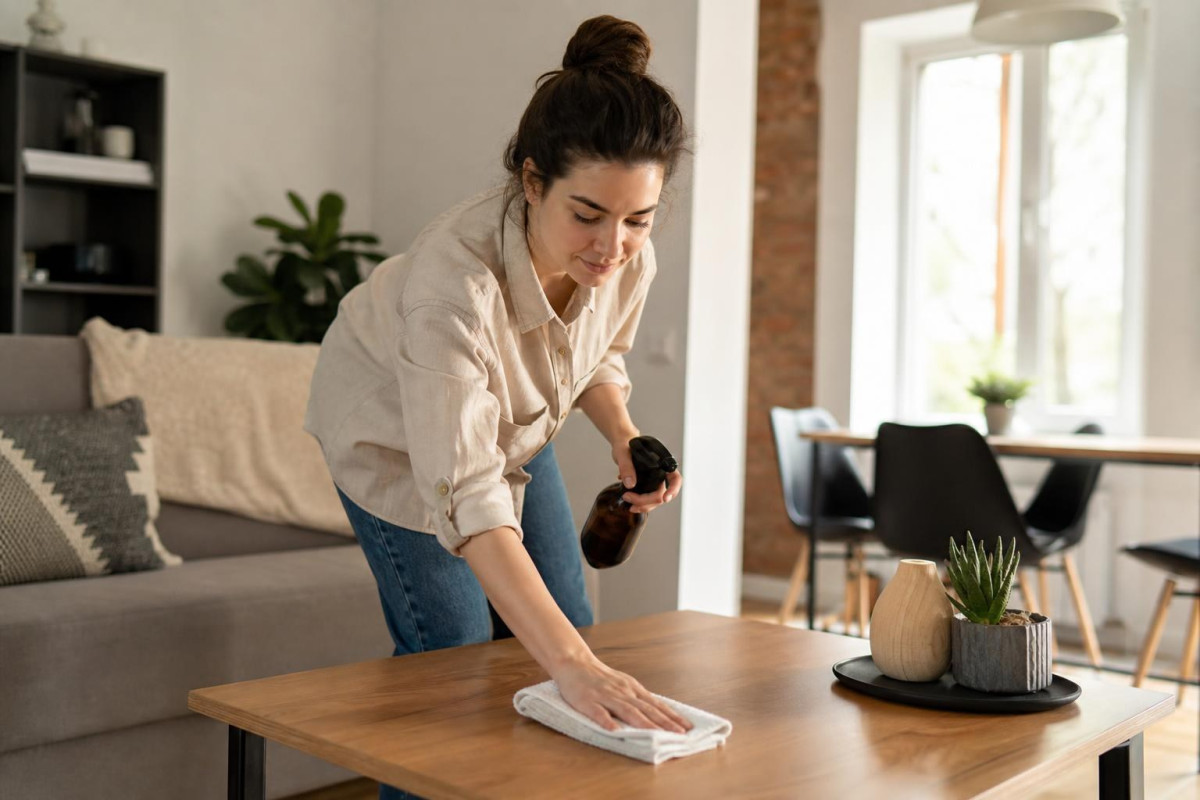
Start with high-touch surfaces: door handles, light switches, remote controls, kitchen faucet handles, toilet flush buttons, appliance knobs, and the intercom panel. Use a disinfectant spray rated EN 14476 (the European virucidal standard) and a microfiber cloth. Wipe every single one.
Kitchen countertops and bathroom vanities need a separate pass with a food-safe antibacterial cleaner. Don't forget the inside of the microwave, the fridge handle, and the coffee machine's water reservoir. These are the areas guests photograph when something looks off.
Textile Maintenance
Sheets and towels must be washed at 60°C minimum — no exceptions. This temperature kills dust mites, bacteria, and most allergens. At Urban Conciergerie, we use a professional hotel-grade linen service to guarantee consistent quality at every turnover.
Curtains and throw blankets are the forgotten textiles. Wash or steam-clean curtains every three months and after any stay longer than a week. Decorative cushion covers should go through a wash cycle between every booking. Guests notice stains on throw pillows, even if they never mention it in the review — it shapes their overall impression.
Odour Management
Open every window at least 30 minutes before cleaning, regardless of the weather. Cross-ventilation removes cooking smells, mustiness, and cleaning product fumes far better than any air freshener. Avoid synthetic fresheners: many guests have sensitivities or simply find them cheap. A subtle reed diffuser with a neutral scent works far better. Always check shower and kitchen sink drains for trapped debris.
2. Equipment and Maintenance Check
A broken appliance doesn't just inconvenience your guest: it generates a support ticket, a potential refund request, and a negative review. Proactive maintenance costs a fraction of reactive damage control.
Appliances and Multimedia
Run every appliance through a functional test. Turn on the oven and each burner. Run the dishwasher on a short cycle. Confirm the fridge reads between 2–4°C. Flush the coffee maker with water.
For multimedia: power on the TV and confirm HDMI inputs work. Check that streaming apps are logged into your host account and not a previous guest's. Replace remote control batteries preemptively every two months — dead batteries are a top-five complaint in guest messages.
Lighting and Plumbing
Walk through every room and flip every switch. Replace any bulb that flickers or has died. Keep a small stock of the bulb types your fixtures require.
Run hot and cold water in every tap for 30 seconds. Check under sinks for leaks or moisture. Test shower pressure and verify the drain isn't slow. A slow shower drain is the kind of issue guests tolerate silently but mention in their review.
3. Comfort Setup and Guest Experience
Once the property is clean and functional, shift your focus from maintenance to hospitality. This is where you move from "acceptable" to "memorable."
Basic Consumables
Stock the essentials guests expect but rarely pack: dish soap, a new sponge, paper towels, toilet paper (at least two rolls per bathroom plus spares), hand soap, shampoo, conditioner, and body wash. For the kitchen: salt, pepper, olive oil, coffee, tea, and sugar. This costs roughly €8–12 per turnover and eliminates one of the most common friction points in the first hour of a stay.
A small welcome pack with a bottle of water per guest and a local snack costs under five euros and generates outsized goodwill. Guests photograph these touches.
Storage Space Optimisation
Empty at least 50% of the closet and provide ten or more hangers. Clear two to three drawers in the bedroom. Guests staying more than two nights want to unpack — a cluttered closet tells them this isn't really their space.
In the bathroom, leave an empty shelf or basket for toiletries. In the kitchen, make sure one full cabinet is clear for groceries. These small decisions communicate respect for the guest's comfort.
4. Safety and Regulatory Compliance
Safety isn't glamorous, but a single incident can end your rental business permanently — legally, financially, and reputationally.
Emergency Devices
French law requires at least one smoke detector per floor (loi Morange, updated 2024). Test every detector by pressing the button until it beeps. Replace batteries annually. If your property has a gas supply, a carbon monoxide detector is mandatory under the 2023 decree.
Keep a 2 kg ABC fire extinguisher in the kitchen area, visible to guests. Check the pressure gauge at every turnover. A basic first-aid kit stored in a labelled box in the bathroom completes the safety setup. These items cost under €40 total.
Clear Safety Instructions
Post a simple emergency card near the front door: fire exit route, full property address, and the numbers for SAMU (15), Pompiers (18), and Police (17), plus your own number. Print it, laminate it, and mount it at eye level. Guests panicking during a fire alarm at 3 AM will not remember verbal instructions from check-in.
5. Pre-Arrival Communication and Welcome
The 24 hours before arrival are when guest anxiety peaks. A clear, proactive message reduces questions by 70–80% and sets the tone for the entire stay.
Welcome Booklet and Wi-Fi Codes
Your welcome booklet should fit on four to six pages maximum. Include the Wi-Fi name and password (in large font — this is the first thing every guest looks for), appliance instructions for anything non-obvious, trash sorting rules, and three to five local restaurant recommendations within walking distance.
Digital versions work well as backup, but always have a physical copy on the coffee table.
Personal Touches and Welcome Gifts
A handwritten welcome note with the guest's first name takes 30 seconds and creates a personal connection no automated message can replicate. Pair it with a small local gift: a sachet of herbes de Provence, a miniature bottle of local wine, or artisan chocolate. These gestures cost between two and five euros but consistently appear in five-star reviews.
6. Final Inspection and Key Handoff
Your final walkthrough is the quality gate between preparation and guest experience. Walk through the property as if you're the guest arriving for the first time. Open the front door and notice what you see, smell, and feel.
Check that every light is off (so the guest gets to "discover" the space), the thermostat is set to a comfortable 20–21°C, and the blinds or curtains are open to let in natural light. Scan for anything out of place: a cleaning product under the sink, a mop in the hallway, a previous guest's forgotten charger.
Confirm the key handoff method is ready. If you use a lockbox, verify the code works and the box is clean. If you use a smart lock, send the access code exactly two hours before check-in — early enough to be useful, late enough to feel secure. For in-person handoffs, arrive ten minutes early. First impressions are formed in seconds.
This checklist isn't just about avoiding complaints. It's a revenue strategy. According to AirDNA's 2025 European market data, properties that consistently score 4.8 or above on cleanliness and accuracy earn 15–25% more per night than comparable listings in the same neighbourhood.
At Urban Conciergerie, we apply this protocol at every turnover, without exception, for every property we manage — in Paris and in Durban. This level of operational rigour is what transforms a rental property into a high-performing asset.
Want to delegate the full management of your property? Contact Urban Conciergerie for a free profitability study.