

17:22Claude a répondu : Short-Term Rentals in Paris: How to Make Your Airbnb More Profitable EffortlesslyShort-Term Rentals in Paris: How to Make Your Airbnb More Profitable Effortlessly
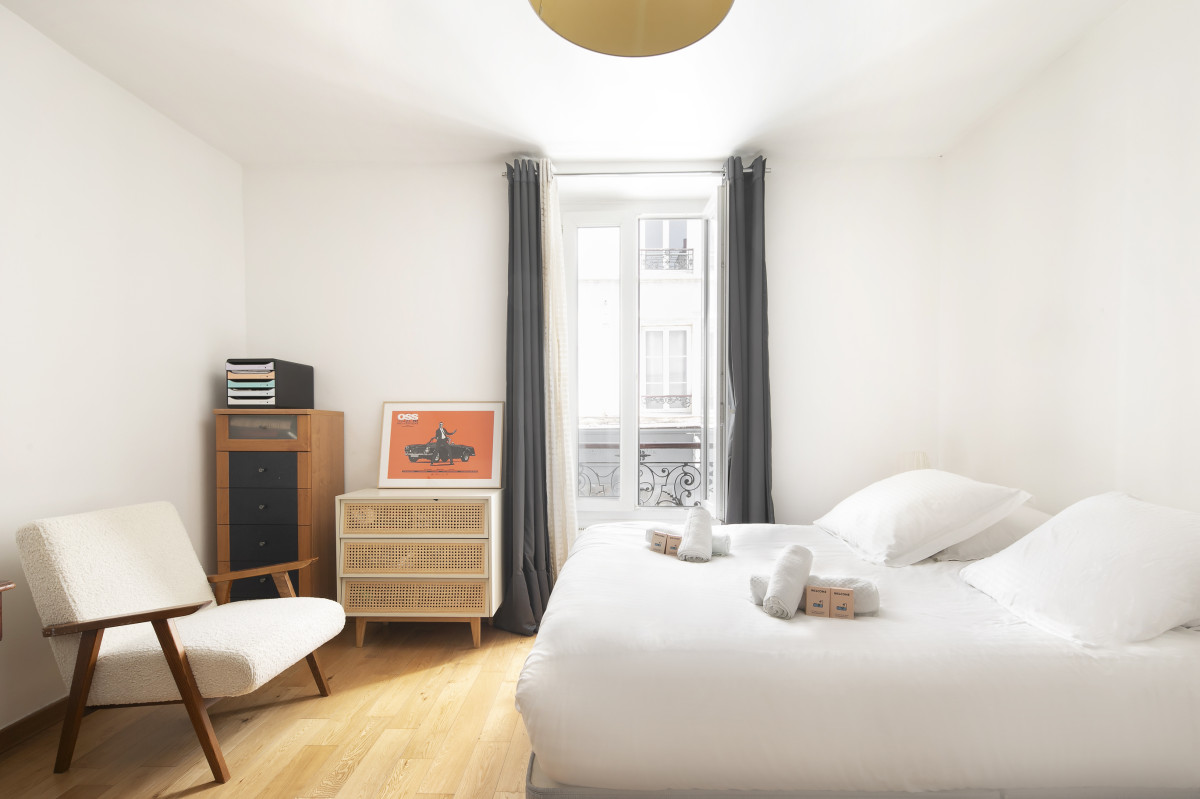
Paris remains one of the most profitable cities in the world for short-term rentals, yet most hosts leave money on the table. Between regulatory headaches, pricing guesswork, and the constant churn of guest communication, running a profitable Airbnb in the capital can feel like a second job. The good news: making your short-term rental in Paris more profitable doesn't require a complete overhaul. A handful of targeted changes to pricing, operations, listing quality, and guest experience can push your occupancy rate and nightly revenue significantly higher — often within weeks. Whether you manage one studio in the Marais or three apartments near Montmartre, the strategies below are designed to increase returns while reducing the time you spend managing everything. Think of this as your practical guide to a more profitable Airbnb in Paris, without the burnout.
Optimising Dynamic Pricing for the Parisian Market
Pricing is where most Paris hosts either win big or quietly bleed revenue. The difference between a flat rate of €120 per night and a dynamic rate that flexes between €85 and €210 depending on demand can mean thousands of euros in additional annual income. Paris has extreme demand variability: Fashion Week, Roland Garros, the summer tourist surge, and trade shows at Porte de Versailles all create pricing windows that flat-rate hosts completely miss.
The Parisian market also has a regulatory cap of 120 rental nights per year for primary residences, which makes every single night count. If you only get 120 shots, you need each one priced as close to the demand ceiling as possible.
Using Automatic Price Adjustment Tools
Tools like PriceLabs, Beyond Pricing, and Wheelhouse connect directly to your Airbnb calendar and adjust your nightly rate based on local demand signals, competitor pricing, and booking patterns. Setup takes about 30 minutes. You set a base price and minimum floor, and the algorithm handles the rest.
Here's what works well for Paris hosts: set your base price 10–15% above what you think is fair and let the tool discount during low-demand periods rather than starting low. Use the last-minute discount feature to fill gaps 48–72 hours out, but cap the discount at 20% so you don't erode your average nightly rate. Review the tool's suggestions weekly for the first month to calibrate your comfort level.
One host in the 11th arrondissement saw her annual revenue increase by 22% after switching to PriceLabs, with the same number of bookings. The tool simply captured demand spikes she had been missing.
Adapting Rates to Seasonal Events and Trade Shows
Paris hosts a staggering number of events: over 400 trade shows and conventions annually, plus cultural events, sports tournaments, and national holidays. Each one shifts demand in specific neighbourhoods.
Build a simple calendar — Google Sheets works fine — with major events and their dates, then cross-reference it with your booking data. During the Maison & Objet trade fair in January and September, for example, properties near Villepinte or with easy RER B access can command 40–60% premiums. During Six Nations rugby weekends, apartments near the Stade de France see similar spikes.
Don't raise prices blindly. Extend your minimum stay to two or three nights during peak events. This reduces turnover costs and attracts guests who book earlier, giving you better calendar predictability.
Automating Operations to Save Time
The operational side of short-term rental management in Paris eats time like nothing else. Check-ins, cleaning coordination, linen swaps, guest messages at 11 PM asking for the Wi-Fi password: it all adds up fast. Automation isn't about being impersonal. It's about removing repetitive tasks so you can focus on the decisions that actually affect profitability.
Installing a Smart Lock for Self Check-In
Self check-in is the single highest-impact operational change you can make. It eliminates the need to physically meet guests (or pay someone to do it), removes scheduling stress, and guests consistently rate it as a preferred experience.
Smart locks from Nuki, Igloohome, or Keynest work well in Parisian apartment buildings. Nuki is particularly popular because it mounts on the interior side of existing locks, meaning you don't need landlord or co-ownership approval for door modifications. Each guest receives a unique code that expires at checkout.
One practical tip: always keep a physical backup key in a nearby lockbox or with a trusted neighbour. Technology fails, and a guest locked out at midnight in Paris is a guaranteed one-star review.
Outsourcing Cleaning and Professional Laundry
Cleaning is the most underestimated cost centre in short-term rentals. Doing it yourself saves money initially but becomes unsustainable after a few months. Professional cleaning services specialising in Airbnb turnovers charge between €40 and €70 per turnover for a standard Parisian apartment.
The key is finding a cleaner who understands short-term rental standards: hospital corners on the beds, toiletries restocked, a visual checklist completed with photos after every clean. Build the cleaning cost into your nightly rate — typically €8–12 per night — so it never feels like an expense coming out of your margin.
For linens, outsourcing to a laundry service that delivers fresh sets and picks up used ones saves roughly three hours per week. Services like Bnblinen or Cleanzy operate specifically in the Paris market and understand the turnaround times required.
Improving Your Listing's Visibility Without a Full Rewrite
Your listing doesn't need a complete rewrite to perform better in Airbnb's search algorithm. A few targeted tweaks to your title and photos can meaningfully improve your click-through rate and conversion, which in turn boosts your search ranking.
Writing a Compelling Title Built Around Neighbourhood Highlights
Most Paris listings have generic titles: "Charming apartment near the Eiffel Tower" or "Cosy studio in central Paris." These blend into a sea of identical options. Your title should highlight what makes your specific location desirable in concrete terms.
Instead of "Beautiful apartment in the 6th," try "Saint-Germain apartment, 2 min walk to Luxembourg Gardens." Instead of "Modern studio near Bastille," try "Quiet designer studio, Marché d'Aligre around the corner." Reference a specific landmark, market, metro station, or neighbourhood feature that travellers actually search for.
Keep titles under 50 characters if possible, since Airbnb truncates longer ones on mobile. Front-load the most compelling detail.
Updating Photos With Optimised Lighting
You don't necessarily need a professional photographer, though it helps. What you do need is better light. Shoot during the golden hour — roughly 4–6 PM in summer or 2–3 PM in winter — when natural light floods Parisian apartments with that warm glow travellers associate with the city.
A few practical photo tips that make a real difference: turn on every light in the apartment while also keeping curtains open for natural light layering, remove personal items and excess furniture, shoot from doorways and corners to maximise the sense of space, and include at least one lifestyle shot — a coffee and croissant on the balcony table, an open book by the window.
Airbnb's algorithm favours listings with 20+ photos. If you currently have 12, adding eight more well-lit detail shots — the bathroom, the kitchen setup, the view from the window, the building entrance — can improve your listing's visibility.
Maximising the Guest Experience to Earn 5-Star Reviews
Reviews are the currency of short-term rental success. A listing with 50 reviews averaging 4.9 stars will outperform a similar listing with 4.6 stars every single time, both in search ranking and conversion rate. The gap between 4.6 and 4.9 often comes down to small, thoughtful touches rather than expensive upgrades.
Creating a Digital Welcome Guide With Local Recommendations
A digital welcome guide does two things: it reduces the number of repetitive questions guests ask you, and it makes guests feel like they're getting insider access to the neighbourhood. Tools like Hostfully, Touch Stay, or even a well-designed Notion page work perfectly.
Include your personal restaurant picks (not the tourist traps), the nearest pharmacy, the best bakery for morning croissants, and practical information like rubbish collection days and how to use the building's intercom. Guests remember these details, mention them in reviews, and those reviews attract more bookings.
Offering Simplified Add-On Services
You don't need to become a concierge service, but offering one or two extras can meaningfully increase both revenue and guest satisfaction. Late checkout for €20, an airport transfer arranged through a trusted driver, or a welcome basket with wine and local cheese for €25 are all high-margin, low-effort additions.
The trick is keeping these simple. Use automated messages through Airbnb or a channel manager to offer extras 48 hours before arrival. If a guest doesn't respond, no extra work for you. If they do, you've just added €20–50 to that booking's revenue.
Mastering Tax Compliance to Protect Your Income
Ignoring the regulatory side of short-term rentals in Paris is the fastest way to turn a profitable operation into a financial headache. The city has some of the strictest Airbnb regulations in Europe, and enforcement has been increasing steadily since 2019.
Every primary residence rented short-term in Paris must be registered with the mairie and display a 13-digit registration number on the listing. The 120-night annual cap is monitored, and fines for exceeding it reach €10,000. If you're renting a secondary residence, you need a change-of-use authorisation, which often requires purchasing commercial rights or compensating with equivalent residential space in the same arrondissement.
On the tax side, rental income must be declared. Most hosts benefit from the micro-BIC regime, which offers a 50% flat deduction on gross rental income up to €77,700 annually. Above that threshold, or if your actual expenses exceed 50%, the régime réel becomes more advantageous. A specialist accountant familiar with meublé de tourisme rules typically costs €300–500 per year and will save you more than that in properly claimed deductions.
Stay compliant. The fines are real, the city is actively monitoring, and losing your registration means losing your income stream entirely.
Your Next Move
Running a profitable short-term rental in Paris comes down to a few high-impact habits: price dynamically, automate the repetitive tasks, keep your listing fresh, and treat every guest interaction as a future five-star review. None of these changes require massive investment or a complete rethink of your operation. Pick two or three strategies from this guide, implement them this month, and measure the impact over your next 10 bookings. The hosts who consistently earn more aren't working harder. They've simply built better systems around the same apartment, the same neighbourhood, and the same 120 nights that everyone else gets.